Stroke Rehabilitation in Kharadi, Pune | Ayurvedic Neurological Care & Paralysis Recovery
What is Ayurvedic Stroke Rehabilitation (Pakshaghata Chikitsa)?
Comprehensive Neuro-Restorative Recovery Protocol in Kharadi
Each stroke rehabilitation program is customized to the patient's stage of onset, muscle tone (flaccid vs. spastic), and mobility index, delivering cohesive physical and neurological restoration:
Njavarakizhi (Shashtika Shali Milk-Rice Muscle Poultice)
Fomentation using boluses of organic Shashtika Shali rice cooked in Bala decoction and milk, deeply permeating wasted muscle fibers to halt atrophy and reduce spastic rigidity.
Shirovasthi & Tailadhara Cranial Micro-Perfusion
Retaining warm neuro-protective medicated oils (Ksheerabala 101, Dhanwantharam) over the scalp to enhance micro-vascular perfusion to damaged ischemic brain territories.
Marma Point Acupressure for Neuro-Motor Activation
Precision stimulation of vital energy centers (Kshipra, Kurpara, and Janu marmas) to trigger motor reflex circuits and accelerate peripheral nerve conduction.
Specialized Nasya Therapy for Cranial Nerve Regeneration
Careful instillation of micro-processed herbal oils through the nasal passages to stimulate facial, trigeminal, and hypoglossal nerves for speech and facial recovery.
Integrated Gait Training & Functional Physical Therapy
Targeted passive and active range-of-motion exercises, core stabilization, balance retraining, and assisted walking to transition patients toward safe independence.
Key Clinical Benefits of Stroke Rehabilitation
Our integrated Ayurvedic neuro-rehabilitation protocol delivers progressive, visible functional milestones:
Re-establishes Voluntary Motor Pathways
Accelerates cortical neuroplasticity, helping patients recover fine finger movements, arm elevation, hand grip, and voluntary leg control.
Prevents Muscle Wasting & Spastic Contractures
Nourishes denervated muscle fibers with classical Njavarakizhi, softening stiff tendons and preventing painful frozen joint contractures.
Restores Facial Symmetry & Speech Function
Targeted facial Marma therapy and cranial Nasya drops reverse mouth deviation, resolve drooling, and restore clear, intelligible speech articulation.
Restores Independent Standing & Walking Balance
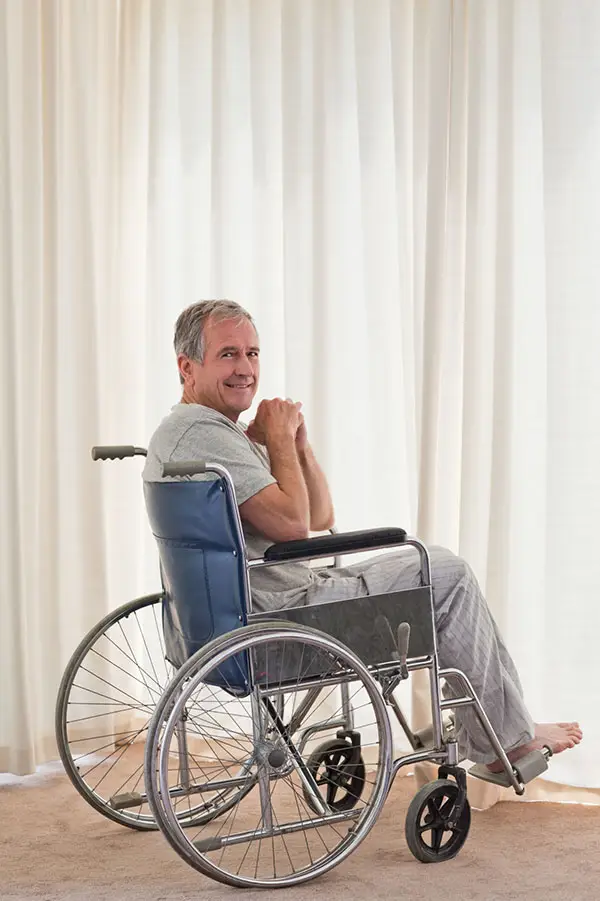
Retrains deep sensory proprioception and pelvic motor stability, transitioning patients from bed and wheelchair dependency to confident walking.